


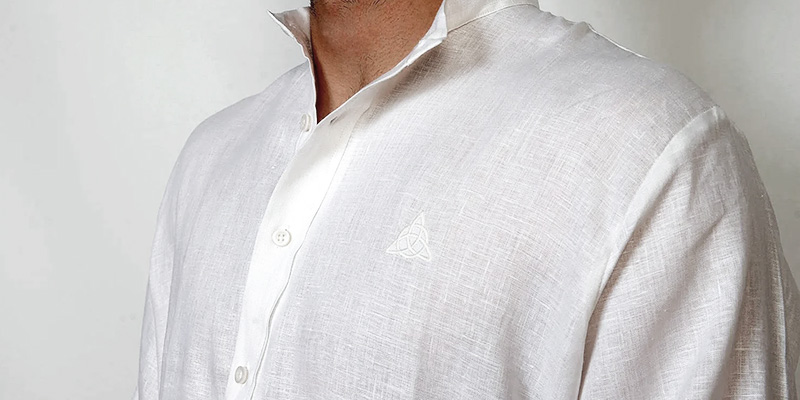
The cotton nightshirt has a long and fascinating history, evolving over centuries to become a staple of sleepwear. While today it may be associated with comfort and practicality, its origins trace back to the broader history of clothing, textiles, and shifting cultural attitudes toward sleep and modesty.
Early History and Medieval Roots
Before the emergence of dedicated sleepwear, people in ancient times often slept in the same garments they wore during the day. In many civilisations, loose tunics made from linen or wool served as both daywear and nightwear. The Romans, for example, wore a tunica, which could function as an undergarment, outerwear, or nightwear, depending on the material and cut.
During the Middle Ages, the idea of specific nightwear had not yet fully developed. Most people, especially those in lower social classes, slept in their underclothes or simple shifts. These early versions of the nightshirt were typically long, loose-fitting garments made from wool or linen, designed to provide warmth rather than luxury. Cotton was not widely used in medieval Europe because it was expensive and largely imported from the Middle East and India. Linen, which was more readily available, was the preferred fabric for undergarments, including early nightshirts.
The Rise of the Nightshirt in the Renaissance and Early Modern Period
The concept of the nightshirt as a distinct item of clothing became more established during the Renaissance and early modern period (15th–18th centuries). By this time, wealthier individuals had begun to differentiate between daywear and sleepwear. The nightshirt evolved as a long, loose-fitting tunic, often extending to the ankles, with a simple neckline and long sleeves.
Cotton began to gain popularity in Europe during this period, thanks to increased trade with the Ottoman Empire and India. By the 17th and 18th centuries, cotton fabrics became more common, though still a luxury. Wealthier individuals would often wear nightshirts made from fine linen or cotton muslin, sometimes embellished with lace or embroidery. The nightshirt was still a relatively plain garment compared to daytime clothing, but its increasing softness and breathability made it ideal for sleeping.
Men and women alike wore nightshirts, though there were slight variations in style. Men’s nightshirts tended to resemble oversized shirts, while women’s versions were more similar to long chemises. For both genders, the nightshirt provided warmth, modesty, and hygiene, as it helped to protect bedding from body oils and sweat.
The Industrial Revolution and the Spread of Cotton Nightshirts
The Industrial Revolution (18th–19th centuries) played a pivotal role in the widespread adoption of the cotton nightshirt. Advances in textile manufacturing and the mechanisation of cotton processing made cotton fabric more affordable and accessible to the general population. By the early 19th century, the cotton nightshirt had become a common item in both middle-class and working-class households.
During the Victorian era (1837–1901), nightshirts became more standardised in design. They were typically white, long-sleeved, and reached down to the ankles. Cotton was the preferred fabric due to its breathability, softness, and ease of laundering. Nightcaps were a welcome addition during the colder months, ensuring a better nights sleep. The Victorian period also saw a growing emphasis on hygiene and cleanliness, further promoting the use of cotton nightshirts, which were easier to wash than wool or linen garments.
Nightshirts during this time often featured subtle decorative elements, such as pintucks, pleats, or small embroidered details, though they remained relatively plain compared to other garments of the period. The idea of separate sleepwear was now firmly established, with nightshirts becoming a key part of a person’s wardrobe.
The Transition to Pyjamas in the 20th Century
The early 20th century marked a significant shift in sleepwear, as pyjamas began to replace nightshirts for men. Pyjamas (or Pajamas), which originated in South Asia and were introduced to Europe by British colonists, offered a more tailored and practical alternative to the traditional nightshirt. By the 1920s and 1930s, two-piece pyjama sets had become the dominant sleepwear choice for men, particularly in Western countries.
Despite this shift, cotton nightshirts remained popular, particularly for children, elderly individuals, and those who preferred their loose, airy fit. Women’s sleepwear also evolved, with nightgowns (often made of cotton) becoming more common. While the term “nightshirt” became less prevalent in everyday language, the garment itself persisted in various forms.
The 21st-Century Revival of the Cotton Nightshirt
While pyjamas remain the dominant form of sleepwear today, the cotton nightshirt has experienced periodic revivals, particularly as loungewear and casual home attire. Modern nightshirts often feature contemporary designs, including button-down styles, graphic prints, and oversized T-shirt-like cuts.
One of the primary reasons for the nightshirt’s enduring appeal is its comfort. Made either from breathable 100% cotton or beautiful Irish Linen, our Murphy of Ireland nightshirts offer a relaxed fit and freedom of movement that many find preferable to constricting pyjama bottoms.
The influence of sustainable fashion has also contributed to the nightshirt’s renewed popularity. Cotton, especially when sourced ethically, is a natural and biodegradable fibre, making it a more environmentally friendly choice compared to synthetic sleepwear materials. Additionally, the minimalist aesthetic of a simple, well-made nightshirt aligns with modern trends favouring comfort and functionality over excess.
Our nightshirts are available in super soft brushed flannelette cotton or Irish Linen. They continue to be a preferred choice for those seeking comfort and breathability, particularly in warmer climates.
The history of the cotton nightshirt is a testament to the evolution of fashion, textile production, and cultural attitudes toward sleep and comfort. From its medieval origins as a simple linen shift to its refinement during the Renaissance and widespread adoption during the Industrial Revolution, the nightshirt has remained a staple of nightwear for centuries.
Though its popularity declined in favour of pyjamas during the 20th century, the nightshirt has never fully disappeared. In recent years, it has experienced a resurgence as a stylish and practical sleepwear option, reflecting contemporary preferences for comfort and sustainability. Whether in its traditional long form or modernised as an oversized cotton T-shirt, the nightshirt remains a classic piece of nightwear with a rich and enduring history.
Murphy of Ireland are preferred suppliers to theatre groups, television and movie companies all over the world who wish to use an authentic garment in their productions.
Murphy of Ireland have taken the traditional nightshirt and now offer beautiful cotton nightshirts – made the traditional way since 1939. Truly quality, heritage and craftsmanship.
https://murphyofireland.co.uk/product-category/menswear/mens-nightshirts/
https://murphyofireland.co.uk/product-category/women/womens-nightshirts/
https://murphyofireland.co.uk/product-category/childrens-clothing/childrens-nightshirts/